Upper shell of radome
Model: CD142-C020-2000
Applications
Description
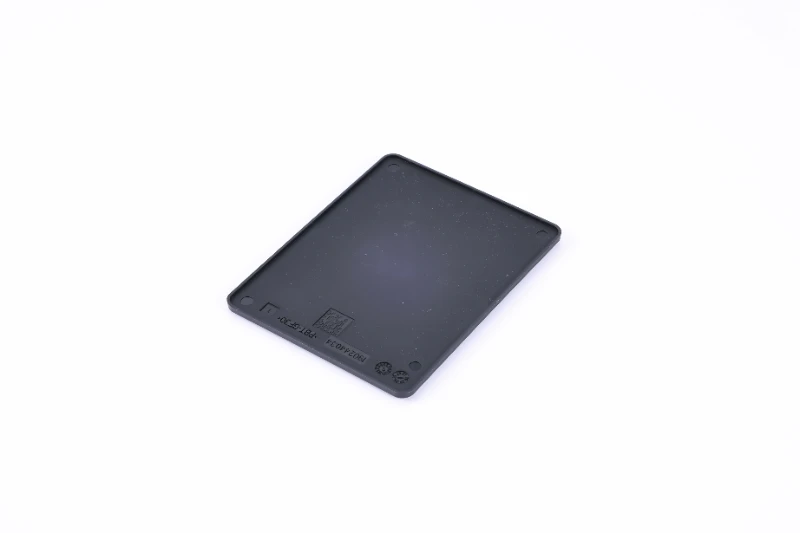
CD142-C020-2000 is a high-precision structural component injection molded using Kumho Sunny PBT-GF30 (LB G678IR) material. Its outer surface is treated with VDI3400 CN-V0024 fine frosting texture, providing excellent appearance quality and assembly fit precision (misalignment ≤ 0.3mm). The key area (Area I) of the product has a light transmittance of over 30% at a wavelength of 980nm, and strictly limits ejector pin marks, making it suitable for automotive or electronic connection components with strict requirements for optical performance and appearance. It complies with RoHS and automotive prohibited substance environmental standards.
Features
- High-precision molding, strictly adhering to the GB/T 14486 MT5 tolerance standard, ensures assembly accuracy
- The surface is treated with VDI3400 fine sandblasting, featuring uniform color and free from defects such as sink marks and cracks
- The transmittance of the specific area (Area I) is greater than 30% at a wavelength of 980nm, meeting the requirements of sensors or indicator lights
- The internal design without a thimble ensures the structural integrity and optical uniformity of the inner cavity and key light-transmitting areas
- Control the flash and fit misalignment to be ≤0.3mm, ensuring smooth fit with the corresponding parts
- The material meets the automotive banned substance standards and is environmentally friendly
Specifications
Whitepapers
Features
- High-precision molding, strictly adhering to the GB/T 14486 MT5 tolerance standard, ensures assembly accuracy
- The surface is treated with VDI3400 fine sandblasting, featuring uniform color and free from defects such as sink marks and cracks
- The transmittance of the specific area (Area I) is greater than 30% at a wavelength of 980nm, meeting the requirements of sensors or indicator lights
- The internal design without a thimble ensures the structural integrity and optical uniformity of the inner cavity and key light-transmitting areas
- Control the flash and fit misalignment to be ≤0.3mm, ensuring smooth fit with the corresponding parts
- The material meets the automotive banned substance standards and is environmentally friendly
Specifications
Upper shell of radome
Model: CD142-C020-2000
Applications
Description
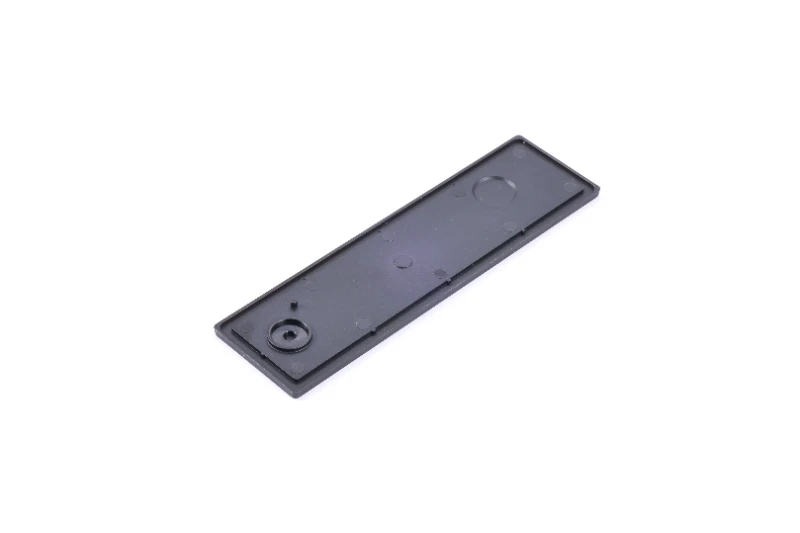
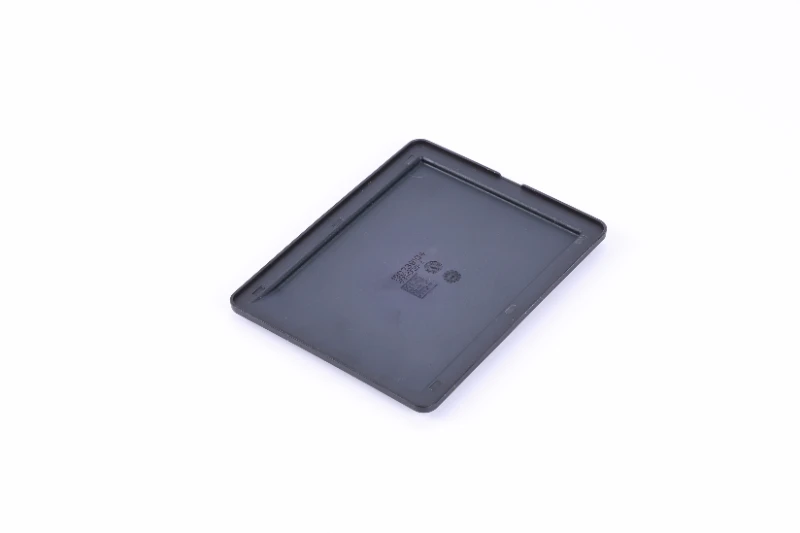
CD142-C020-2000 is a high-precision structural component injection molded using Kumho Sunny PBT-GF30 (LB G678IR) material. Its outer surface is treated with VDI3400 CN-V0024 fine frosting texture, providing excellent appearance quality and assembly fit precision (misalignment ≤ 0.3mm). The key area (Area I) of the product has a light transmittance of over 30% at a wavelength of 980nm, and strictly limits ejector pin marks, making it suitable for automotive or electronic connection components with strict requirements for optical performance and appearance. It complies with RoHS and automotive prohibited substance environmental standards.
Whitepapers
Related Cases

Vehicle-mounted shielding/cooling/radome | AI intelligent driving domain controller and radar module supporting project
The onboard domain controller and radar module of intelligent driving solution providers are prone to electromagnetic interference due to their internal circuits, poor chip heat dissipation, and inadequate antenna protection, leading to unstable AI perception data. Our company customizes integrated shielding covers, heat dissipation covers, and antenna covers that combine electromagnetic isolation, thermal conduction and dissipation, and antenna protection. These products have passed AEC-Q automotive testing, ensuring pure radar and domain controller signals and stable support for AI multi-sensor fusion operations. They are now available for bulk supply to designated customers.
某智能汽车企业

AI Smart Network Gateway | High-Speed Communication Supporting Project for Edge AI Computing Gateway
The cooperating enterprise of this project is a national high-tech enterprise, specializing in the research, development, and manufacturing of industrial Internet and edge AI computing equipment, with a focus on AI intelligent gateways and industrial edge computing terminal devices. The equipment is required to perform high-speed acquisition of visual data and sensor data from the production line, and local AI inference, 24/7. The customer's original equipment suffers from issues such as network port packet loss, electromagnetic crosstalk, chip heat accumulation, and antenna signal attenuation. Our company provides a comprehensive solution of RJ45/SFP/USB connectors + shielding/heat dissipation/antenna covers, ensuring high-speed, stable, and long-lasting operation of AI network-connected devices
某国家级高新技术企业
Related Solutions
Complete structural solution for 4D imaging millimeter-wave radar
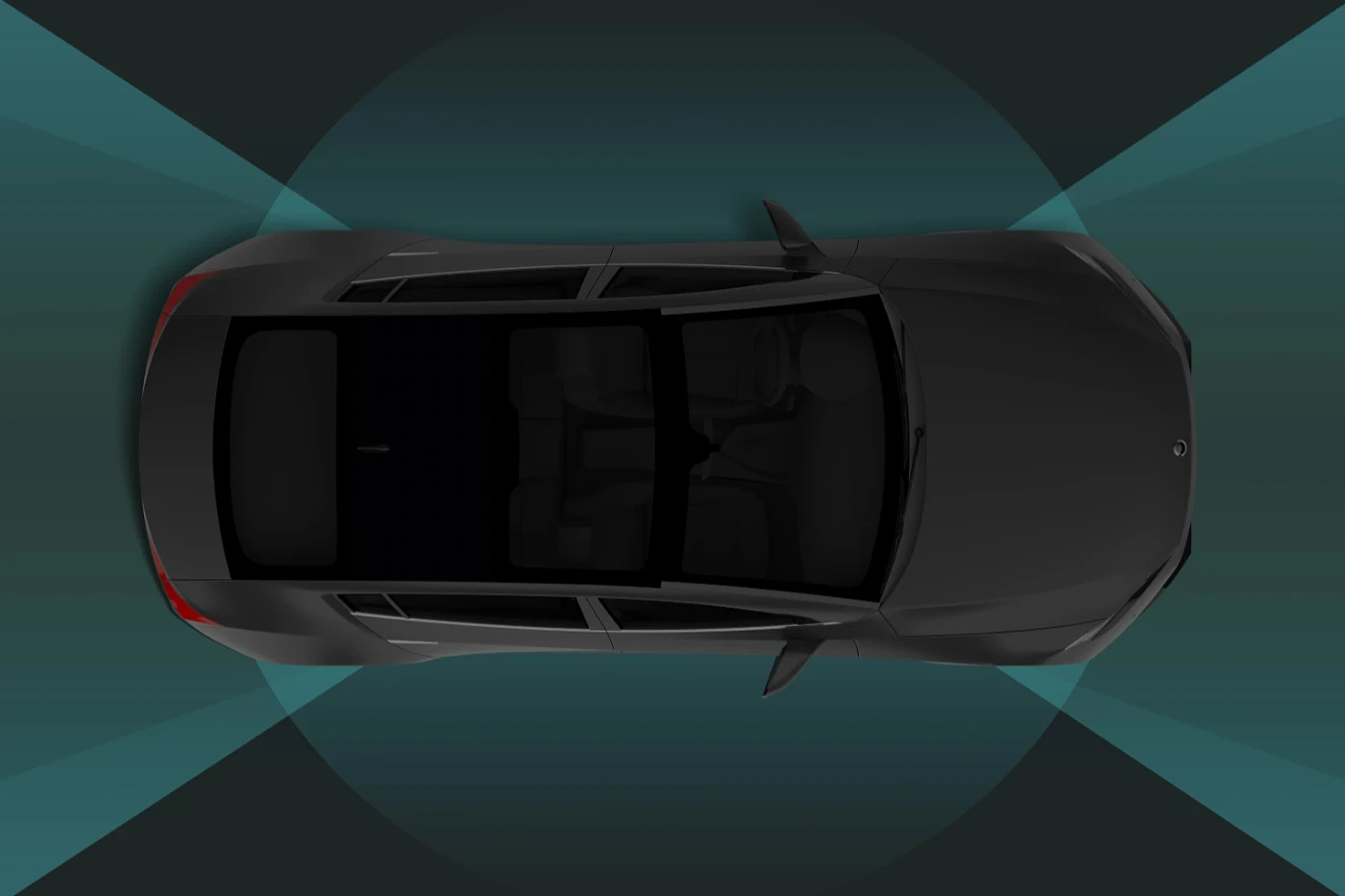
The vehicular millimeter-wave radar, installed at the front of the vehicle, must withstand vibrations from driving, exposure to wind, sand, rain, and snow, while also strictly controlling electromagnetic interference. Shell deformation and insufficient wave absorption performance can directly lead to inaccurate radar ranging and angle measurement, resulting in false alarms and missed detections. Many suppliers can only provide single components, requiring customers to integrate from multiple suppliers, which incurs high coordination costs.
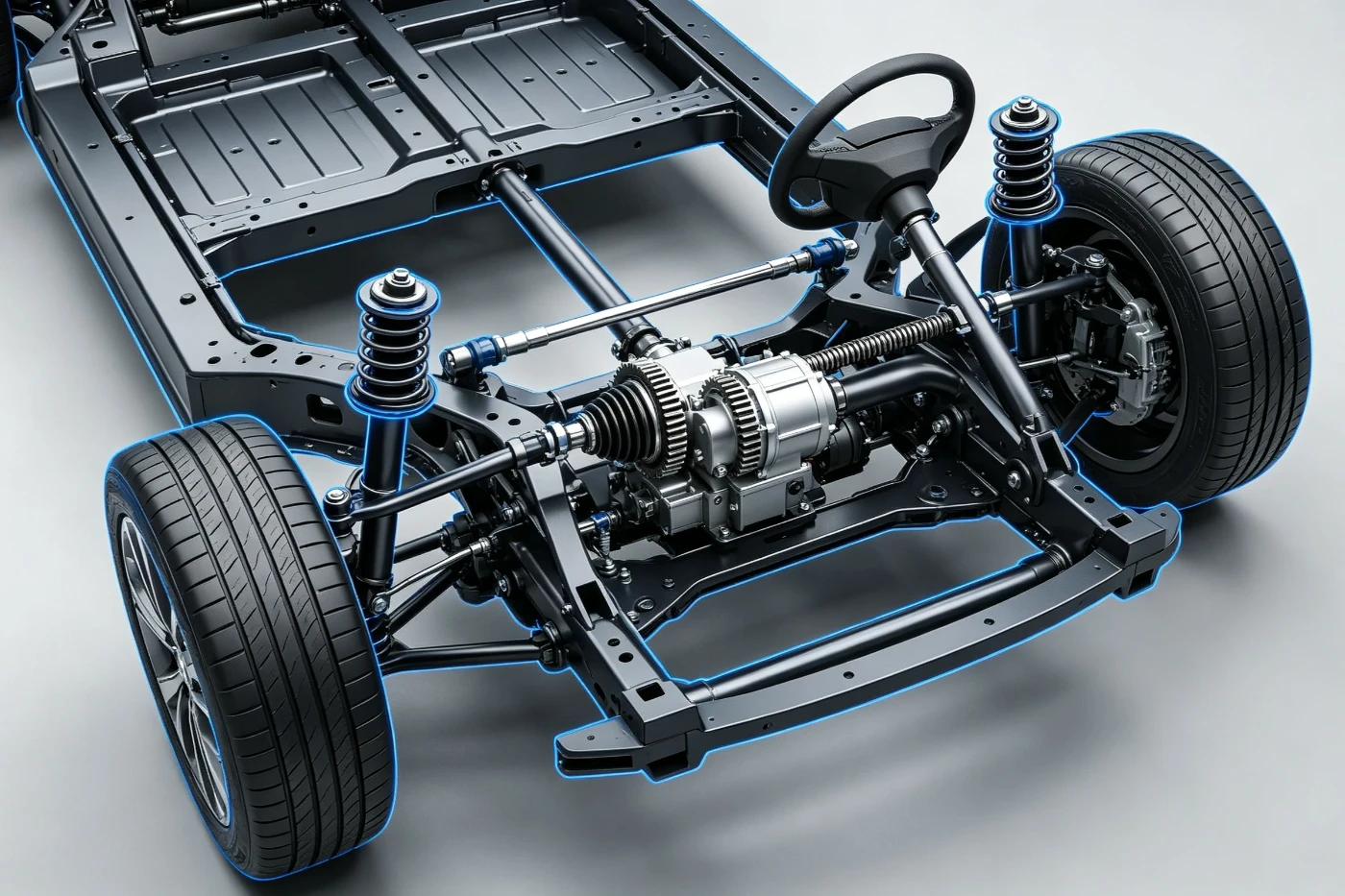
Automotive EPS (Electric Power Steering) System Connection Solution
With the popularization of intelligent driving, the EPS steering electronic control signals have become increasingly complex. Vehicle vibration during driving, alternating high and low temperatures, and contamination from engine compartment water and gasoline can easily cause poor contact and signal disconnection of connectors, posing significant safety hazards to driving. Traditional universal connectors struggle to meet the stringent safety requirements for in-vehicle applications.